WOODCELL
WOOD RESIDUES DERIVED MICROCRYSTALLINE CELLULOSE FOR SUSTAINABLE MATERIALS
WOOD RESIDUES DERIVED MICROCRYSTALLINE CELLULOSE FOR SUSTAINABLE MATERIALS
Finding viable alternatives to fossil-based materials in the chemical and material industries is challenging due to price limitations and the performance of available bio-based products. It is here that cellulose-based materials from woody biomass can make a difference, as they are one of the most promising pathways to replace global dependence on fossil-based chemicals, given their carbon neutral, sustainable, recyclable, and non-toxic characteristics.
Specialty cellulose materials have been used as strength additives and rheology modifiers in a range of products; however, the technological process is energy- and chemical-intensive.
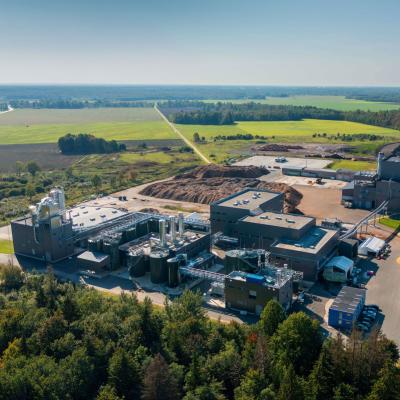
WOODCELL aims to enable the production of micro-scale specialty Microcrystalline Cellulose (MCC) by building on Fibenol’s unique SWEETWOODS production. This process makes use of hardwood residues to produce lignin and wood sugars for novel functional bio-based primary raw materials to be used in the materials and chemical industry.
To deploy an industrial bio-based system for the production of specialty cellulose at a large-scale, WOODCELL will:
WOODCELL expects to: